
Villages De Flandre logo Banniereweb
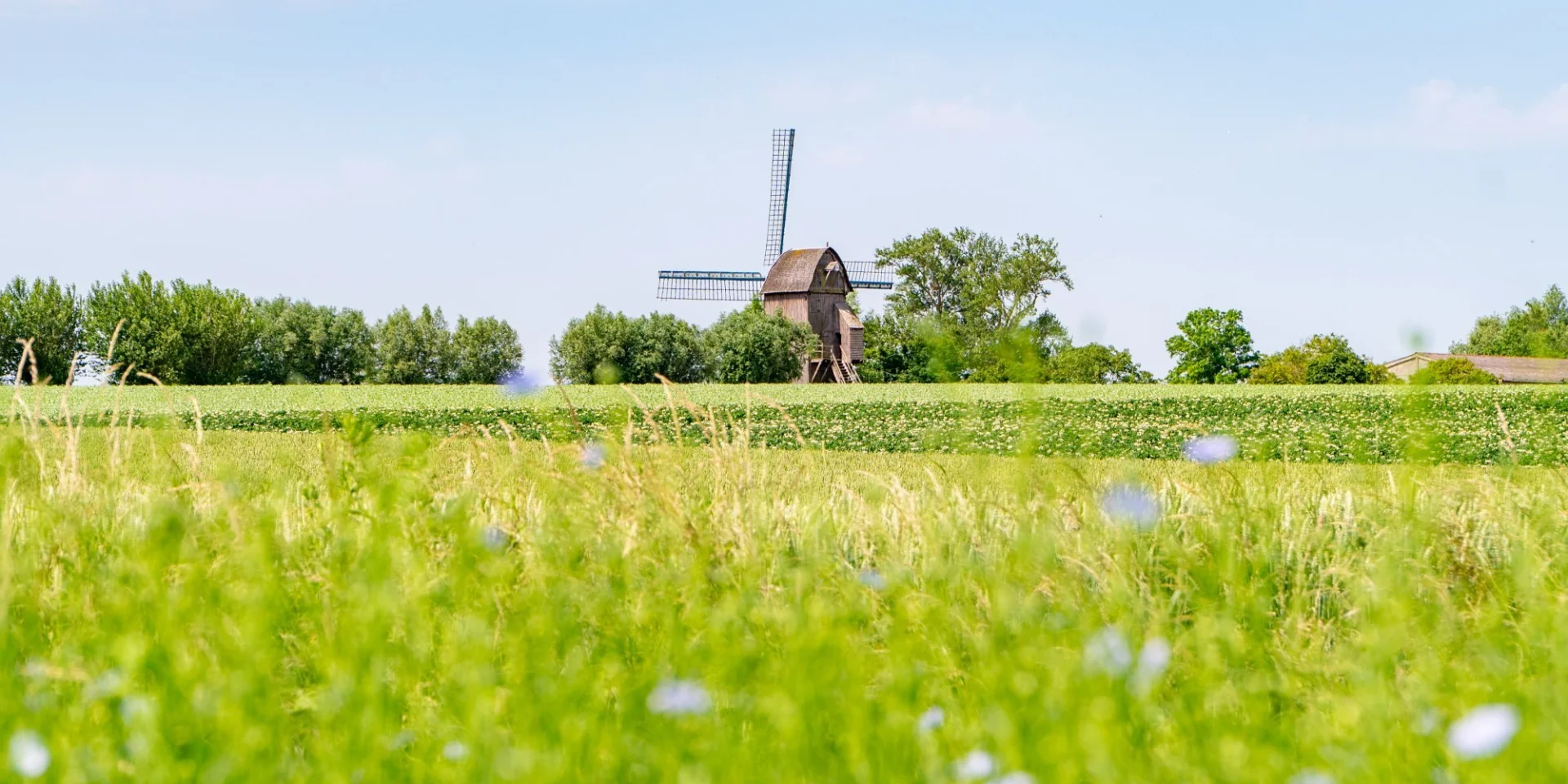
Mill
|
The Villages of Flanders
A charming getaway
Villages De Flandre logo Banniereweb
🚶 Free guided tours
Led by enthusiastic local guides.
🏰 Authentic heritage
Churches, mills, Flemish farmhouses, village squares and local craftsmanship.
🌾 Unspoilt landscapes
Amidst polders, hedgerows, canals and country lanes.
🤝 Personal encounters
Locals who share the history and stories of their village.
With a population of 1,300, Brouckerque covers nearly 1,200 hectares in Maritime Flanders, a region shaped by water and history. Once marshy, the town owes its name to this distinctive landscape: ‘brouck’ means ‘marsh’ and ‘kerk’ means ‘church’. Here, in the heart of the polders, every corner tells the story of the age-old struggle to tame the waters of the Aa delta. Thanks to the traditional network of ‘wateringues’ – these ingenious canals – the inhabitants have gradually reclaimed these low-lying lands, giving rise to a unique landscape where nature and humankind coexist in harmony.
Brouckerque invites you to discover this authentic corner of the region, imbued with tranquillity, beauty and a rich heritage linked to its marshes of yesteryear.
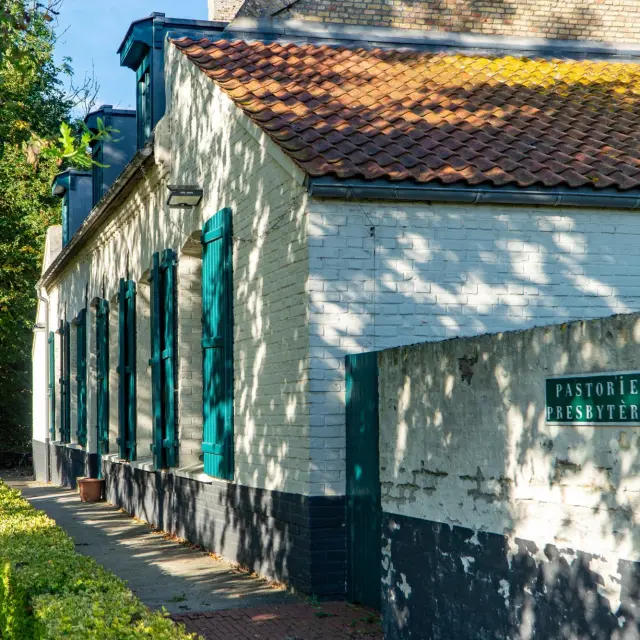
Brouckerque Presbyterecchf
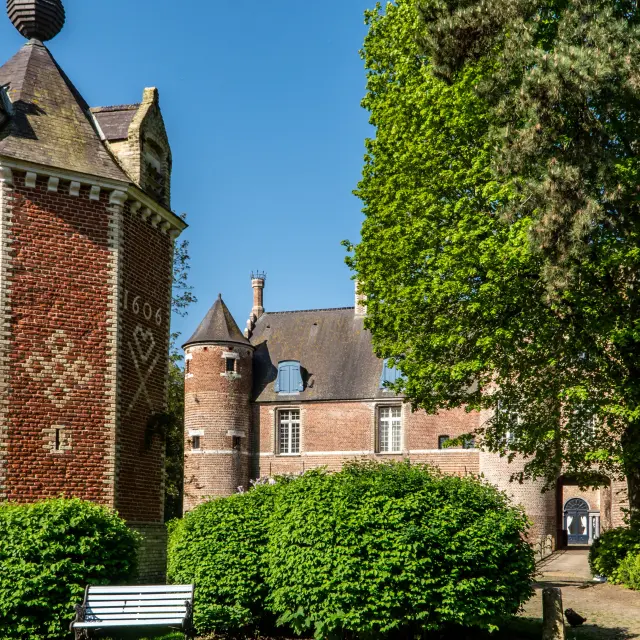
Esquelbecq Colombiercchf
Straddled by the Yser, Esquelbecq charms visitors with its authentic heritage, its vibrancy and its rich cultural life. Its name, which dates back to the Middle Ages and is linked to Saint Folquin, bears witness to its long history. Once an industrial village, it developed around the railway station.
Place Bergerot, with its traditional houses, still reflects the warm charm of Flemish architecture today.
Discover this charming Flemish village of 1,600 inhabitants, nestled on the border between Maritime Flanders and Inland Flanders. As you stroll around, let yourself be captivated by its rich heritage: the altarpieces and listed furnishings of its church, the chapels and oratories dotted across the landscape, and the restored houses in warm, inviting colours.
Don’t miss the famous Mortier organs, true local treasures. This village also owes part of its wealth to the 20th-century brickmaking tradition, reflecting an authentic and vibrant working-class history. A place steeped in history where every visitor will find a unique atmosphere.
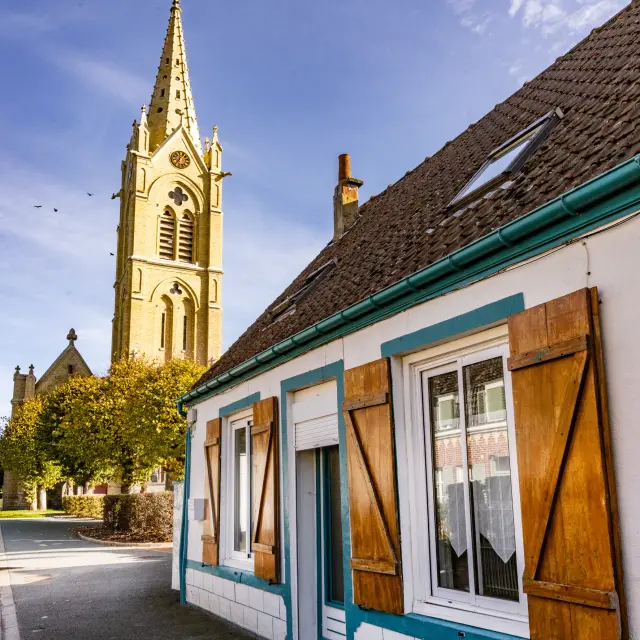
Westtoer Herzeele France 2025 Jan Dhondt Atelje
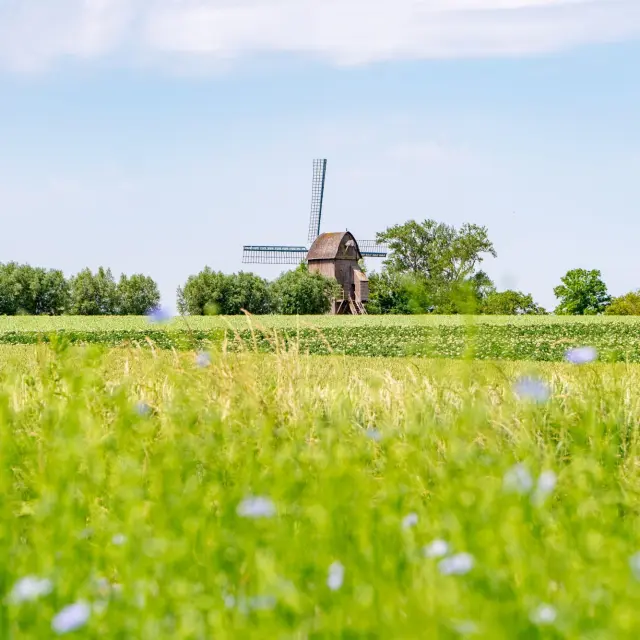
Pitgam Moulincchf
This village stands out both for its architecture and its unique charm, characterised by a vast square that gives the impression of being in a much larger town. The pond located there actually inspired the village’s name. Pitgam is also home to a 12th-century church and a mill, Den Leeuw Mill, which, two centuries after it was built, is still in operation, producing flour!
Nestled in the heart of the Houtland, the ‘land of wood’, this charming village of 500 inhabitants invites visitors to discover its unique natural and architectural heritage. Once covered in forests and hedgerows, the landscape has changed over time due to modern farming practices. Yet Volckerinckhove remains a true guardian of its history, carefully reintroducing the rural hedgerows typical of the region and reconstructing a rare ‘horse-drawn mill’ – a living reminder of a past that was once very much a part of daily life, but has now disappeared elsewhere.
A place where tradition and nature come together to offer an authentic and welcoming experience.
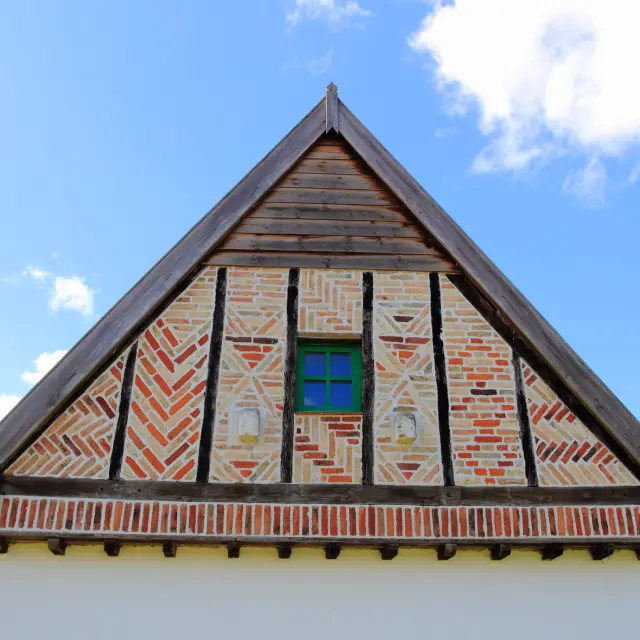
Chaumiere ®terre De Flandre
The village of Warhem invites you to immerse yourself in authentic Flemish life. Amidst peaceful streets and brick houses, the charm of a bygone rural way of life unfolds with every step. The village giant tells a unique story: that of Jan Dequidt, who introduced the potato to Flanders as early as 1722, long before Parmentier. A stop-off full of character, combining heritage, traditions and a relaxed way of life.
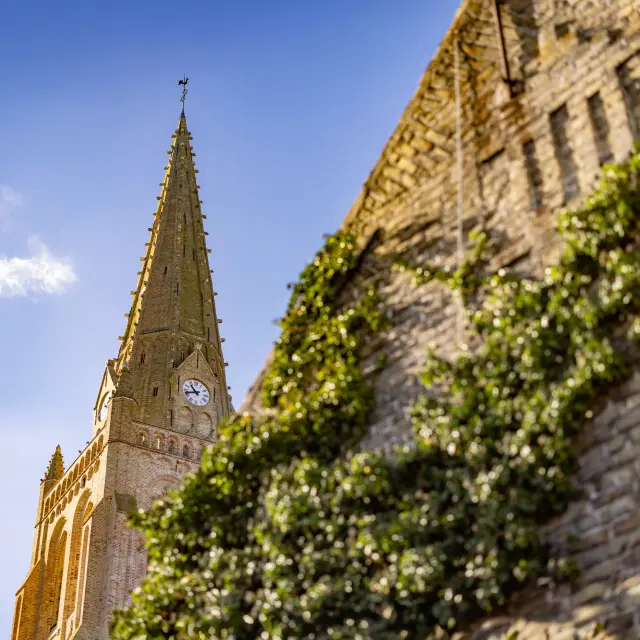
Westtoer Warhem France 2025 Jan Dhondt Atelje
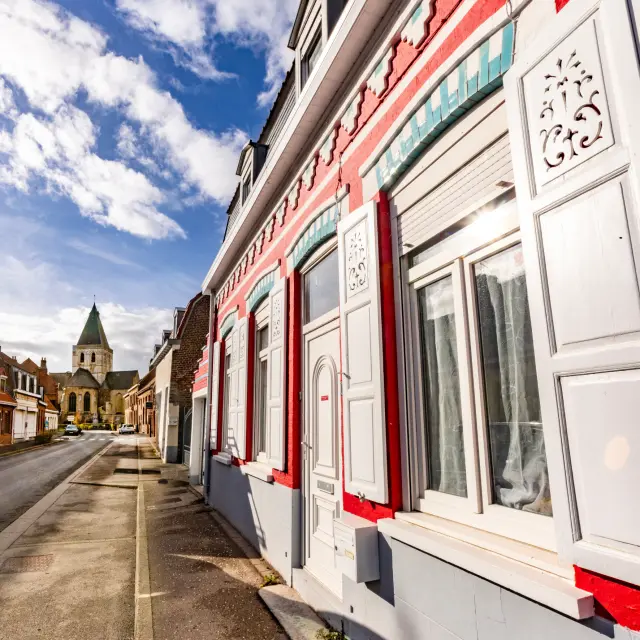
Westtoer Zegerscappel France 2025 Jan Dhondt Atelje
As you wander through its streets, Zegerscappel invites you to step back in time to the last century, an era when wheelwrights, carpenters, brewers and flax-breakers shaped the character and charm of this village, where life is good and it’s a pleasure to stroll and enjoy yourself. By the end of the 19th century, its favourable location meant it was home to as many as eight mills.
Whilst these trades have now disappeared, traces of this craftsmanship and these industries remain at the heart of the village: the façades of old breweries, flour mills, the former power station and kilns, not to mention the old railway station, a reminder of the days when the little Flanders train used to run through here.

Chaumiere ®terre De Flandre 1